
Our Services
-
We provide accurate and reliable radon testing for homes across Central Alberta. Using professional-grade equipment, we measure radon levels to determine if your home is within safe limits. Whether you’re buying, selling, or just want peace of mind, our testing process is simple, fast, and trusted.
-
If elevated radon levels are detected, we offer effective mitigation solutions to reduce radon in your home. Our systems are designed to safely vent radon gas outside, helping protect your health and bring your home within recommended levels.
-
After mitigation, we offer follow-up testing at additional cost to confirm your system is working properly and radon levels have been reduced. This ensures long-term safety and peace of mind.
-
Working in real estate, we understand the importance of timelines and clear communication. We offer quick turnaround testing for buyers, sellers, and agents to help keep transactions moving smoothly while ensuring everyone is informed.
Invisible, But Fatal.
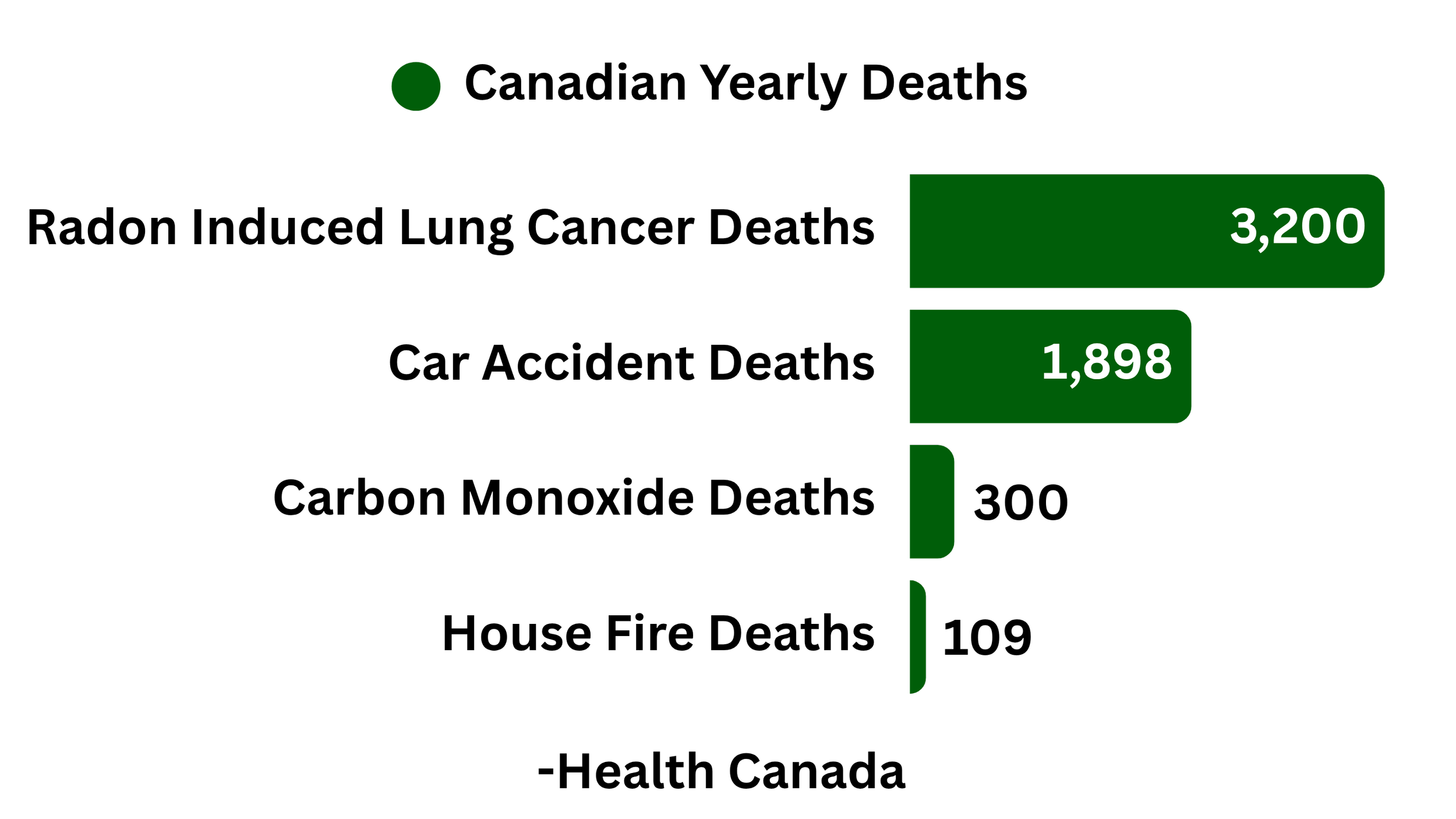
“The risk of death from long term exposure to elevated levels of radon is higher than the combined risk of all common accidental deaths. We take precautions against accidental deaths by putting on our seatbelts, wearing lifejackets or ensuring that we have carbon monoxide and smoke detectors, Canadians should also be testing their homes for radon”
-Health Canada
Our Process
Precision Testing & Report
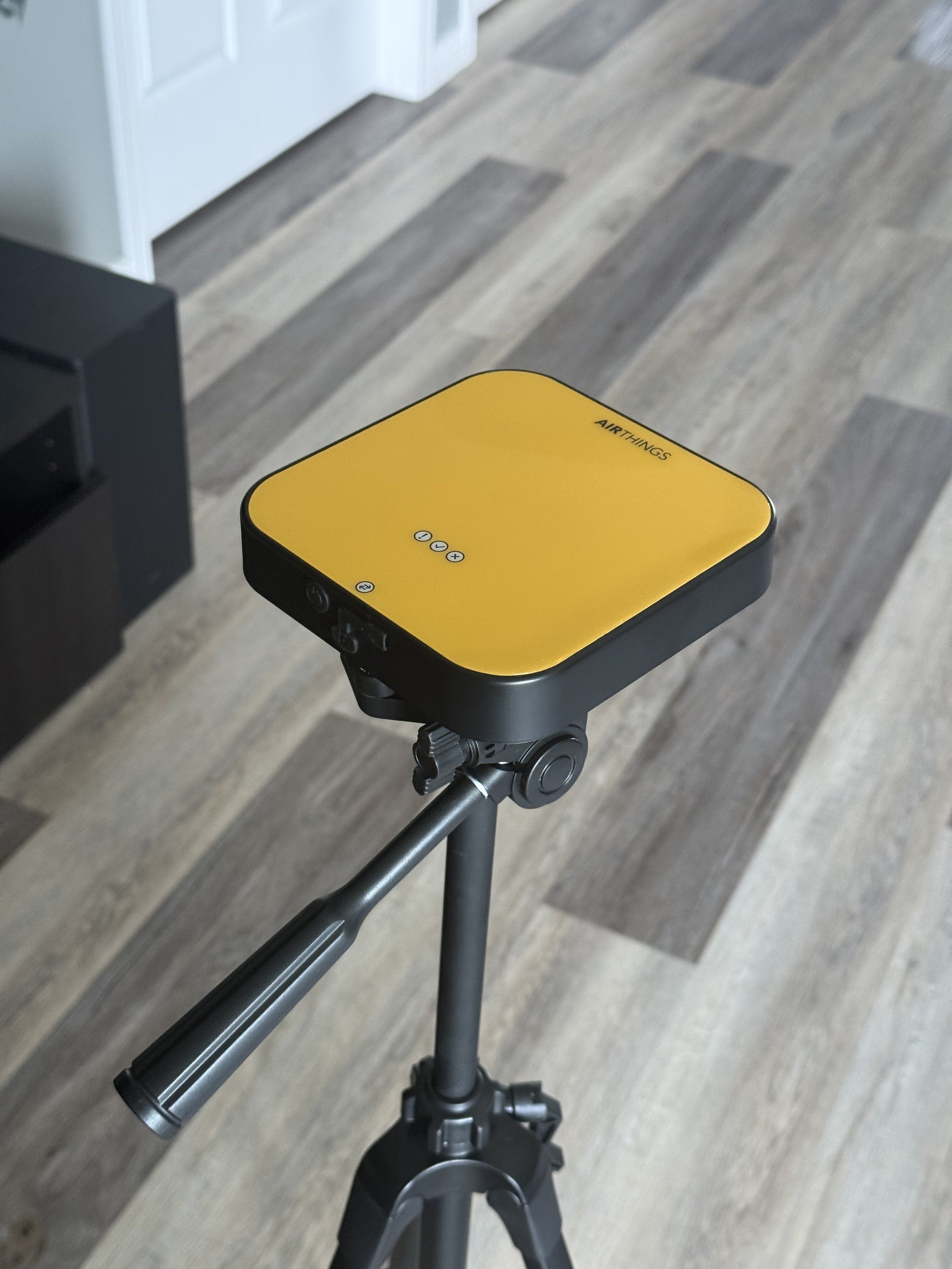
We place a professional-grade, calibrated Continuous Radon Monitor (CRM) in your home. Once the test period is completed, you’ll receive a comprehensive report provided by a C-NRPP expert detailing your home's exact hourly radon levels and overall average.
Custom Mitigation Plan
If your report shows elevated radon levels above Health Canada guidelines, we design a custom mitigation plan, typically an Active Soil Depressurization (ASD) system tailored to your home’s layout and foundation.
Installation & Safety
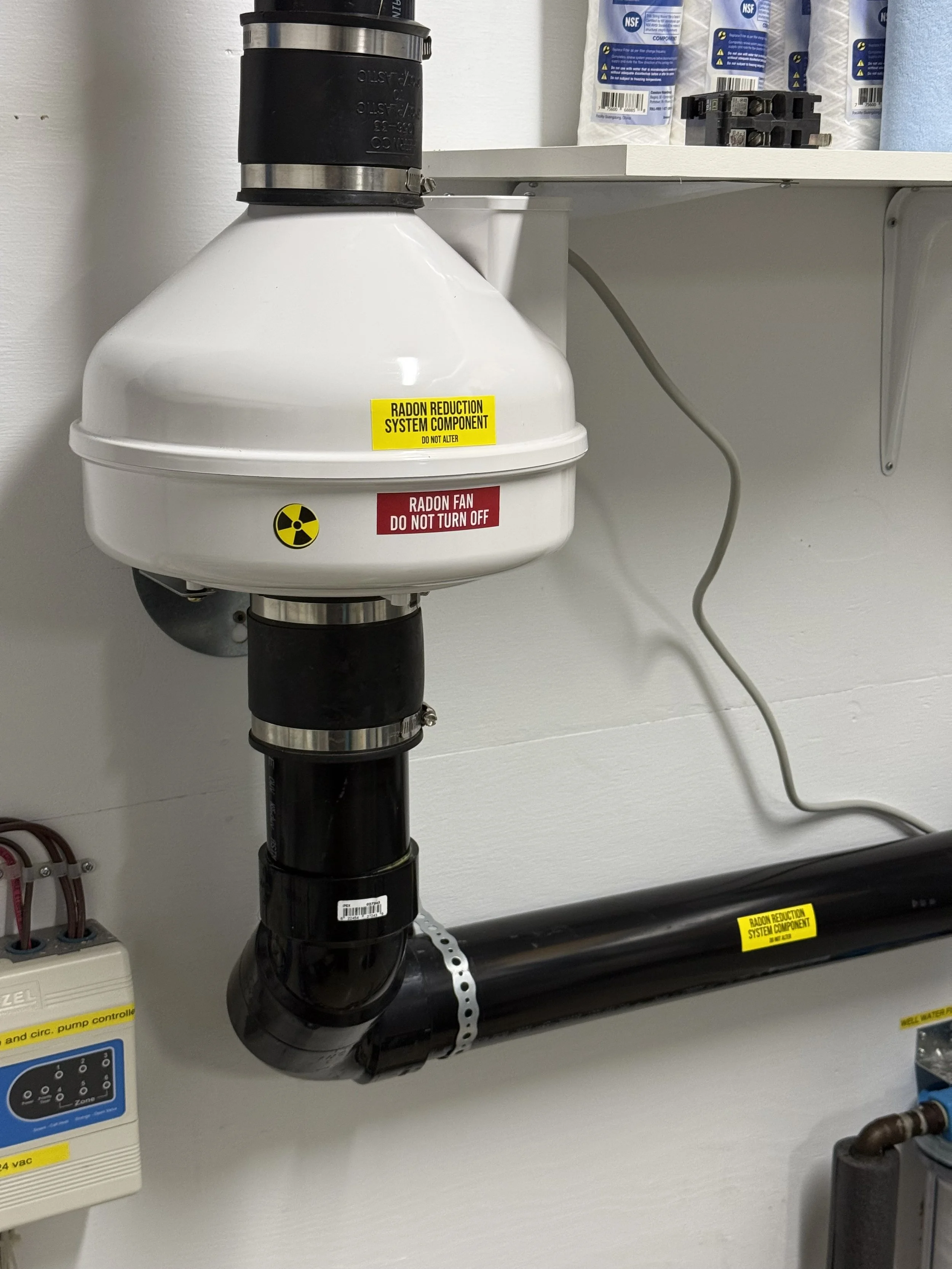
Our team of technicians install your custom system and thoroughly verify that it is operating properly and actively lowering your radon levels, giving you complete peace of mind.
All We
Radon Is
Do.
Central Alberta Radon is not a general contractor offering radon mitigation as an occasional add-on. Radon testing and mitigation are our specialty.
Clean, Professional Work
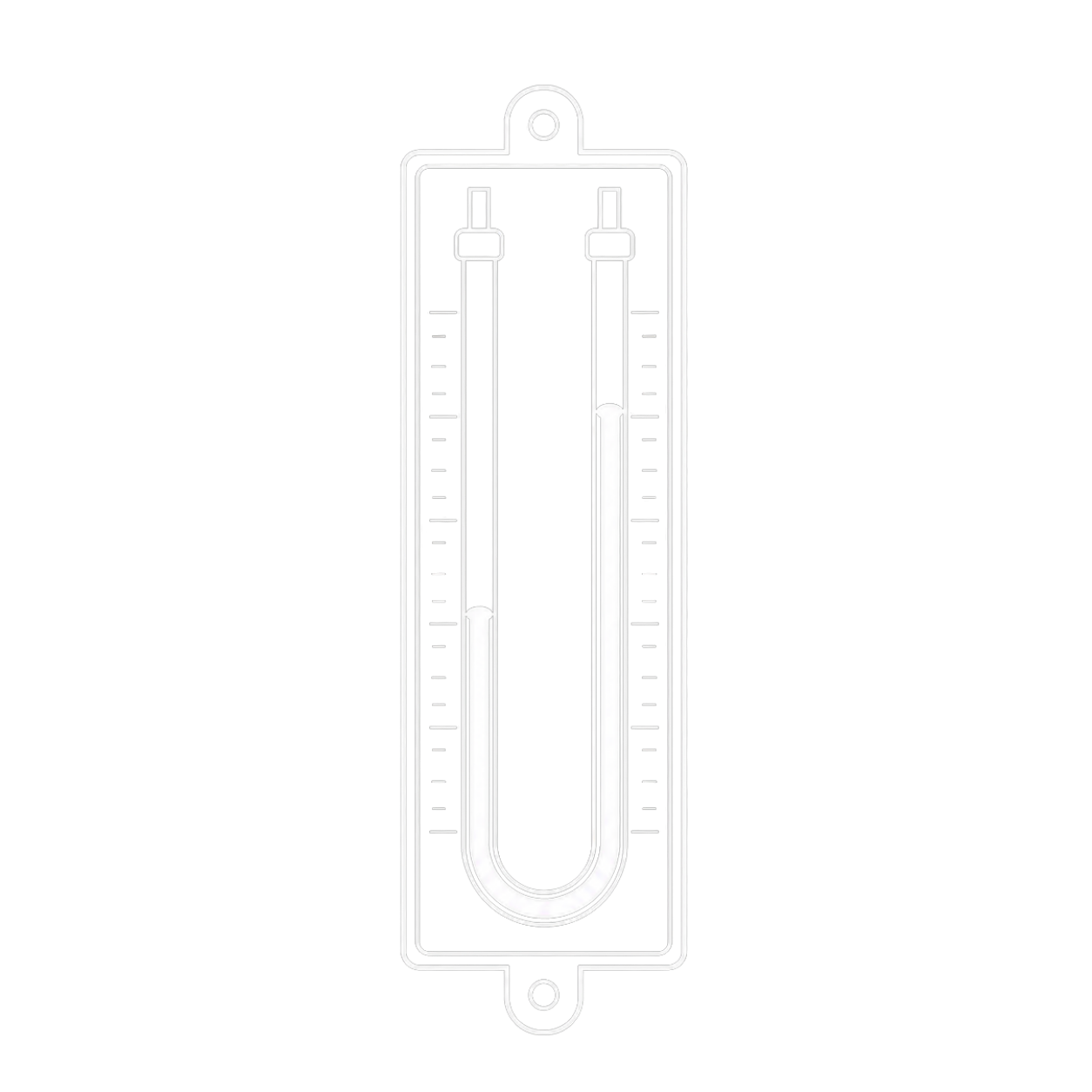
We build permanent systems that look like they belong in the home. Piping is carefully routed, properly supported and kept as discreet as possible.
Designed, Not Guessed
Every home is assessed individually. We plan the suction point, fan and installation route based on the property instead of relying on a one-size-fits-all system.
Certified and Local
Your system is installed by a C-NRPP-certified radon professional based right here in Central Alberta.
Work With a Radon Specialist
Other Services
Most Effective & Cost-Efficient: Incorporating radon mitigation during initial construction or major home renovations is typically the most effective and cost-effective way to protect a home, saving significant time and labor compared to retrofits later on.
Rough-In Systems: We install code-compliant radon rough-in pipe systems through the foundation during construction, setting up the property for effortless activation if elevated levels are detected.
Full System Design & Installation: Custom active soil depressurization system design seamlessly integrated into the building or renovation layout for maximum performance and a clean look.
New Construction & Home Renovations
Real Estate Radon Testing
Fast-Turnaround CRM Testing: We deploy calibrated Continuous Radon Monitors (CRMs) specifically designed for real estate transactions, providing rapid, hourly data to keep your closing timeline on track.
Full Comprehensive Report: Buyers, sellers, and realtors receive a detailed, official report outlining average radon concentrations and safety status to remove guesswork during conditions.
Unbiased & Accurate: Neutral, professional testing that gives clear answers so both parties can make informed decisions.
Contact us
Interested in working together or have questions? Fill out some info and we will be in touch shortly. We can’t wait to hear from you!
Central Alberta Radon
Central Alberta Radon
Filters
No results found
No results match your search. Try removing a few filters.